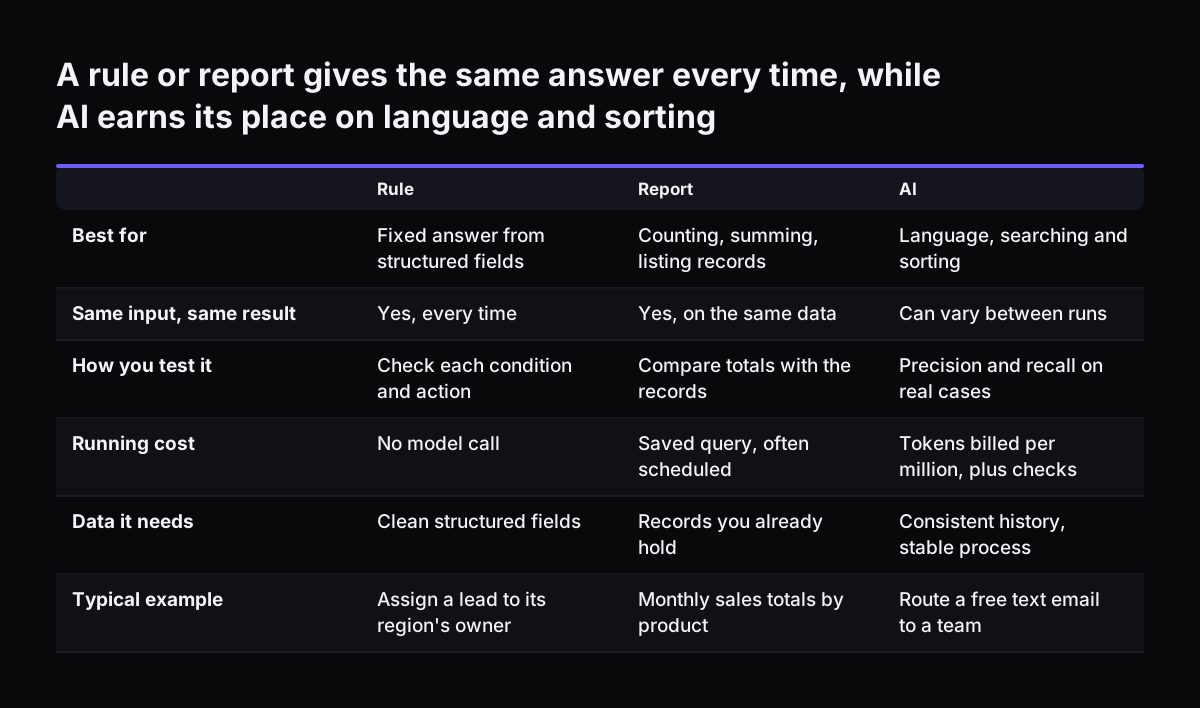
AI is the wrong answer in three situations. The first is a task that has one right answer every time. The second is data behind the task that is thin or inconsistent. The third is a process that keeps changing. In each case a plain workflow rule, a fixed calculation or a scheduled report inside the system you already run does the job more reliably, and you can test it more easily.
The public sector gives a useful test. Defra runs a scoring panel for AI requests, and it is blunt about fixed-answer tasks: "A task with one right answer every time scores red, because AI would make it less reliable." The same panel says data readiness scores red more often than any other criterion.
This guide is for owners and managers who want to tell the difference before anyone writes a prompt or signs a contract. It covers four things:
- the three alternatives to AI, defined
- the warning signs that a task belongs to one of them
- a worked example scored the way Defra scores requests
- a decision table you can use on your own task list
A separate section covers what UK data protection law adds to the choice.