Email triage and drafting with Claude works when Claude has a narrow job. It reads each new message, sorts it into a small set of buckets and drafts replies for the ones that need an answer. Then it stops. A person reads every draft, edits it and decides whether to send.
Email triage is the step of reading an email, extracting what matters and deciding what action it demands. Drafting is the second step: turning that decision into a reply. One guide to managing email with Claude argues that the inbox is a decision problem, not an organisation problem. On that view, Claude earns its place by making decisions faster and writing easier.
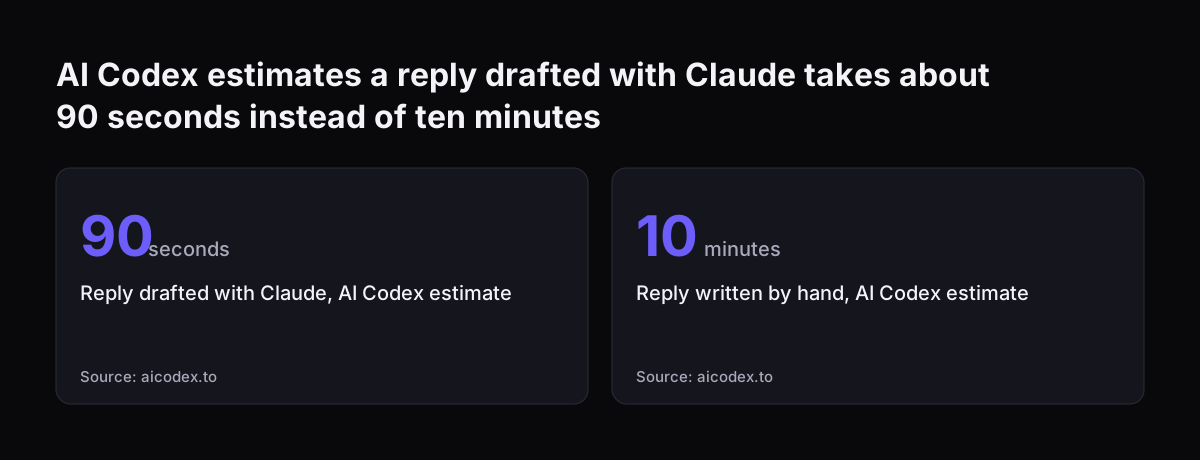
The time at stake is real but modest per message. One publisher puts the average professional at 120 emails a day. It says perhaps 15 to 20 of those need a human response. It puts the cost of sorting the rest by hand at 30 to 45 minutes a day. The same AI Codex guide reports that drafting a reply from rough notes takes about ninety seconds instead of ten minutes.
This guide covers five parts of a working setup:
- the sorting rules Claude follows
- drafts that sound like you
- escalation to a person
- what a person still approves and signs
- what to log
It also covers the model choice, the UK context and a first step you can take this week.